
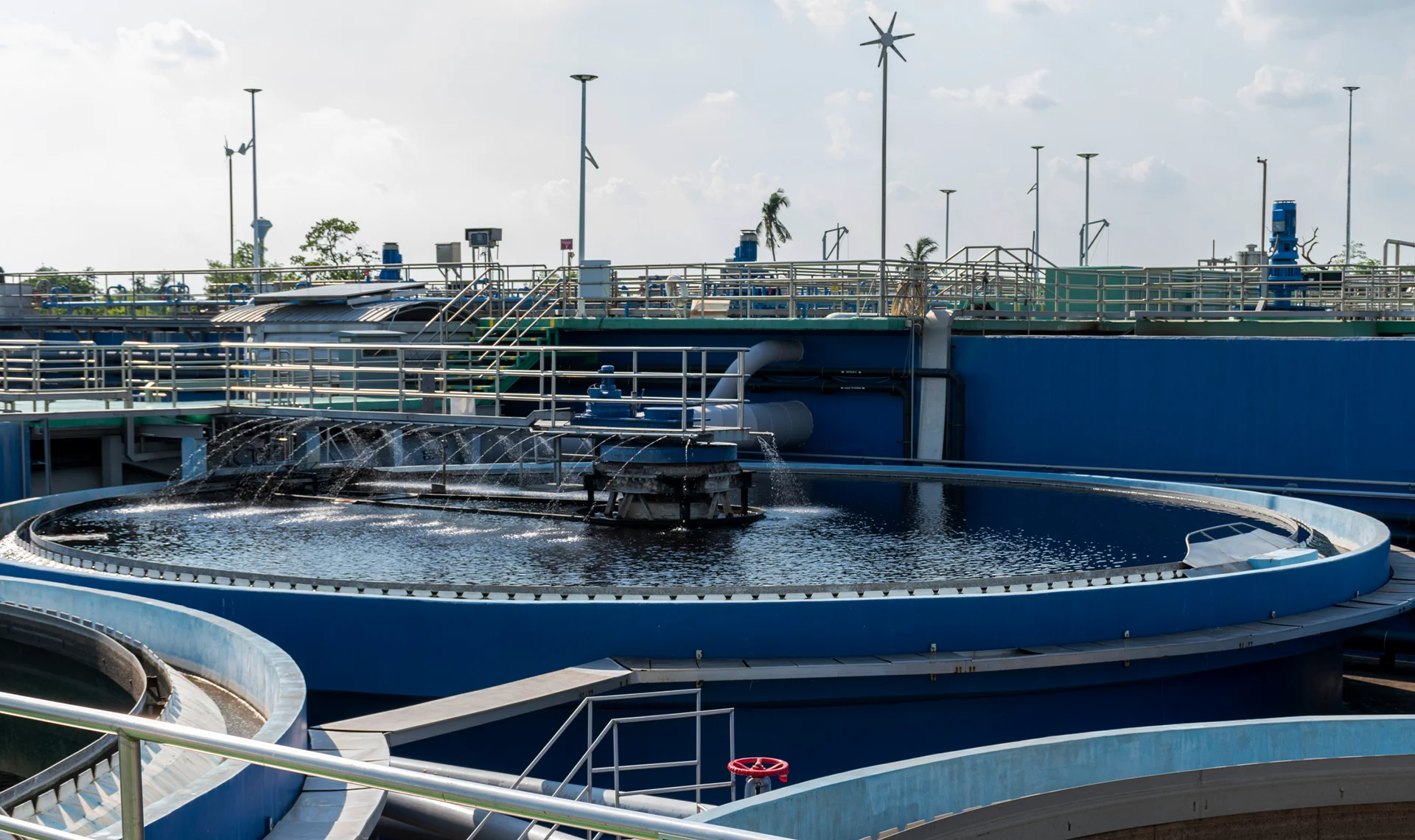
Illuminate Safely with Lighting Solutions Tailored for Hazardous Locations and Harsh Environments
Welcome to SpecGrade the ultimate destination for LED lighting solutions in hazardous environments. Our range caters to various Classes and Divisions, ensuring safety in areas with flammable gases, vapors, or combustible dust, even amidst challenging conditions like high humidity, solvent exposure, or extreme temperatures. From explosion-proof LED fixtures to corrosion-resistant LED luminaires, each product is meticulously engineered for reliability and compliance. Illuminate your hazardous space with confidence—explore our catalog now and discover the ideal LED lighting solution for your unique requirements.
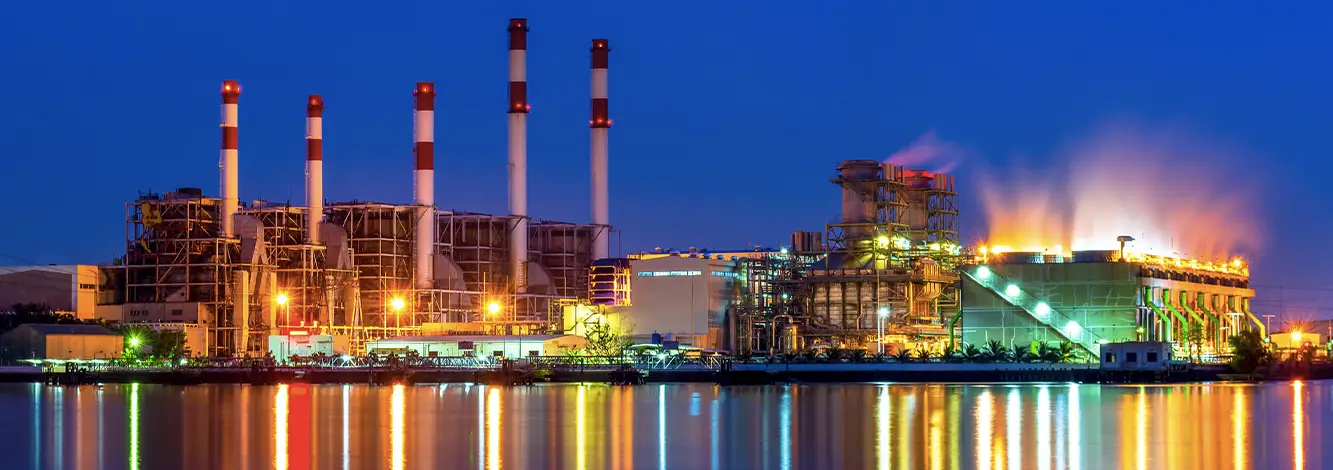
Since 2010, SpecGrade Has Been A North American Leader In The Design, Engineering, And Manufacture Of LED Lighting For Commercial, Industrial, Harsh And Hazardous-Location Applications.
Today, we support a network of 75+ professional lighting fixture manufacturer representative offices across North America—representing 2,000+ associates—and serve as a technical resource for our representatives’ architectural and engineering clients. From specification guidance to application support, our team helps ensure the right product is selected for the environment and the code requirements. Every SpecGrade fixture is built to meet or exceed industry standards, delivering verified performance and long-term reliability you can specify with confidence.
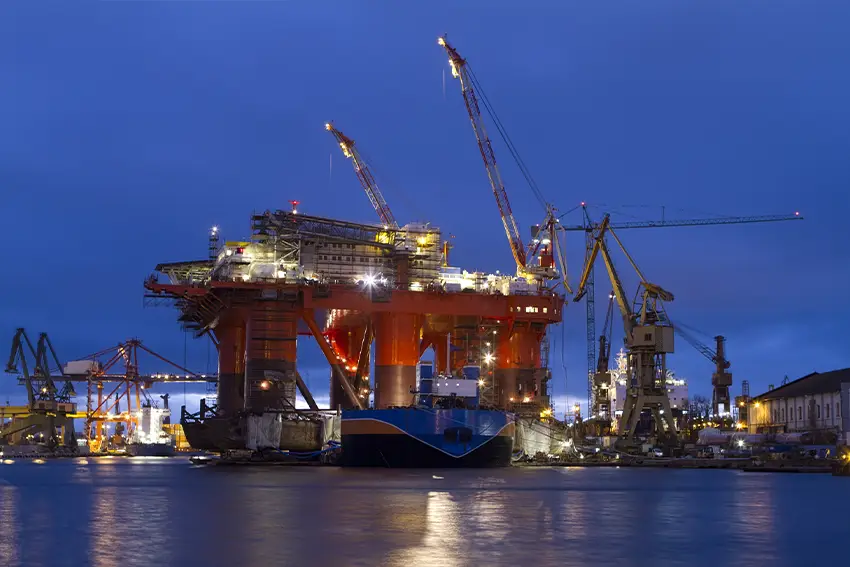
Hazardous Location
Hazardous Location LED lighting is specifically designed for classified areas where flammable gases, vapors, combustible dusts, or ignitable fibers/flyings may be present—and that’s what makes it fundamentally different from Harsh Environment lighting. Harsh Environment fixtures are built to survive abuse like corrosion, washdown, vibration, and extreme temperatures, but Hazardous Location lighting must also be certified to prevent ignition in an explosive atmosphere. In short: harsh environment is about durability; hazardous location is about safety + certification in addition to durability.
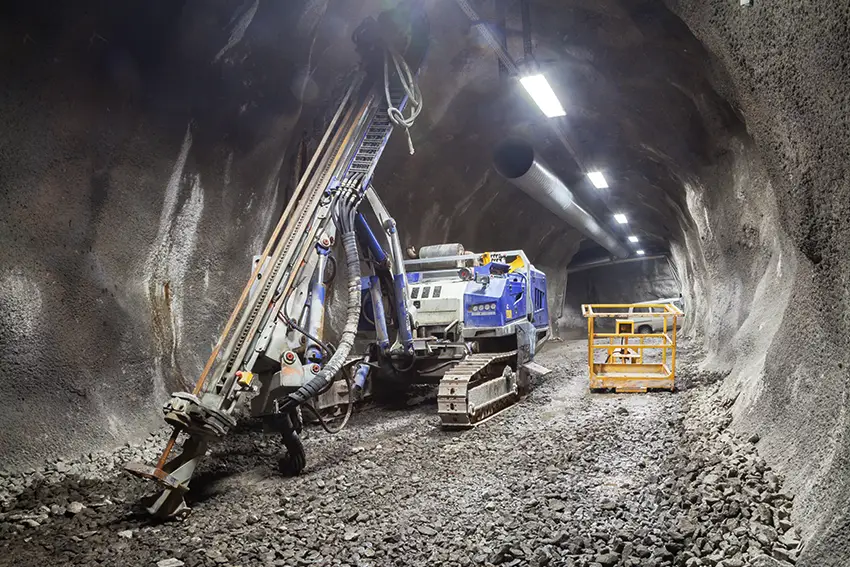
Harsh Environment
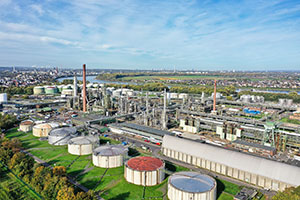
Harsh Environment LED lighting is purpose-built for the toughest industrial spaces—where heat, vibration, moisture, corrosive chemicals, washdowns, dust, and impact quickly destroy standard fixtures. These rugged luminaires deliver reliable, high-quality illumination in demanding applications like refineries, chemical plants, wastewater facilities, marine environments, food processing, and heavy manufacturing. Just as important, many harsh sites also include Hazardous Location areas where flammable gases, vapors, dusts, or fibers may be present—so selecting the right LED fixture isn’t only about durability, it’s about using lighting that’s properly rated and certified for the environment.
The Differences between
Hazardous Location vs. Harsh Environment
LED Lighting
Hazardous Location and Harsh Environment LED lighting are often confused, but they solve two different problems: Hazardous Location lighting is engineered and certified for classified areas where flammable gases, vapors, combustible dusts, or ignitable fibers may be present, meaning the fixture’s design and approvals focus on preventing ignition in an explosive atmosphere; Harsh Environment lighting, by contrast, is built primarily for durability—resisting corrosion, washdowns, moisture, vibration, dust, impact, and extreme temperatures—without necessarily carrying hazardous-area listings. In many industrial facilities you may need both, but the key distinction is that harsh environment is about surviving tough conditions, while hazardous location is about safety-driven certification plus rugged construction for the specific classification where it will be installed.
Why SpecGrade?
We Built SpecGrade Based on:
Independent 3rd Party Testing

Customer Service
When you’re lighting Class I/II/III hazardous environments, you don’t get a second chance. Fixtures have to survive punishing conditions, protect people, and deliver reliable light year after year. SpecGrade hazardous-location LED luminaires are purpose-built for those realities—engineered to outperform and supported by a team that knows your applications cold.
Here are 11 decision categories that matter most in hazardous locations, and how SpecGrade delivers on every one.
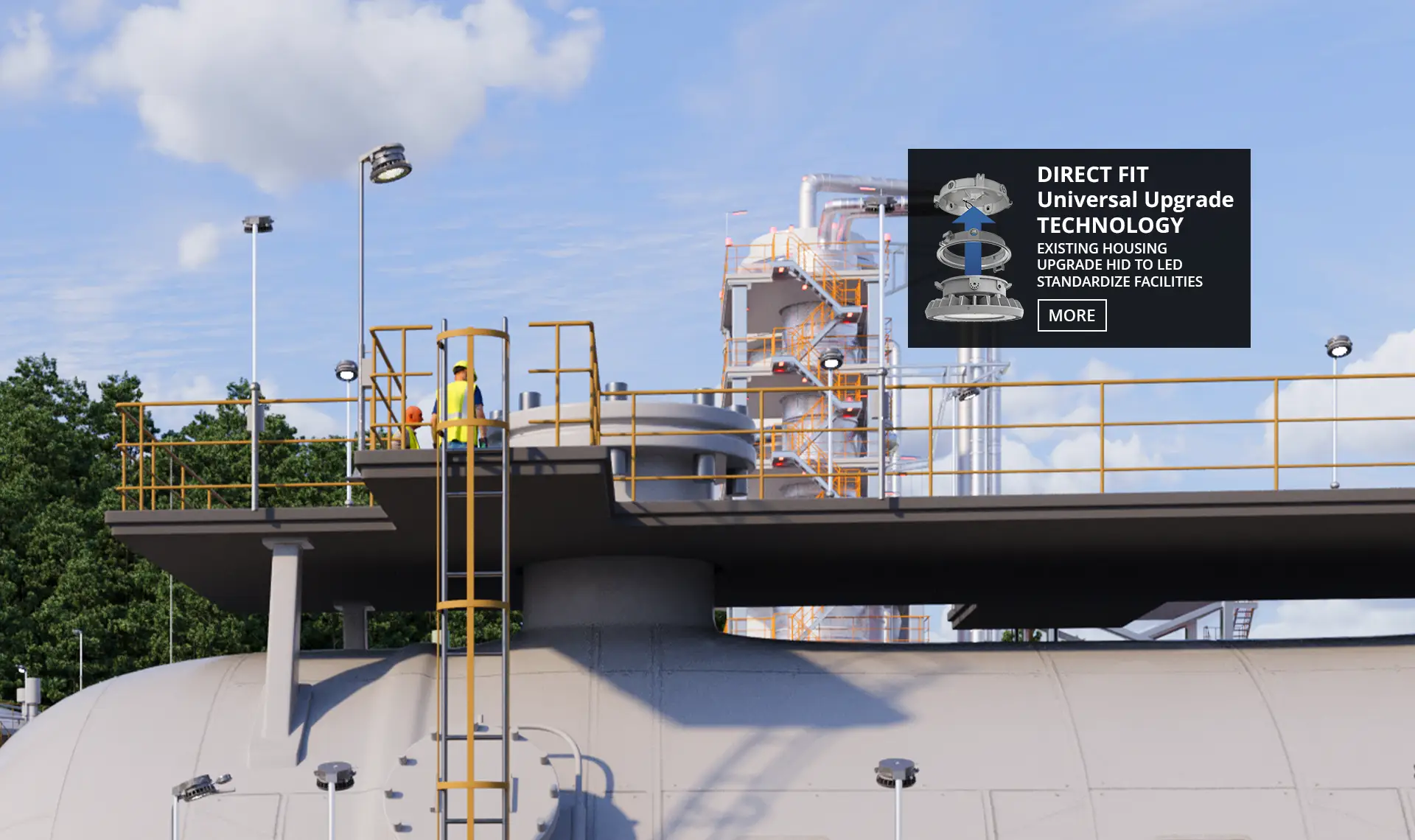
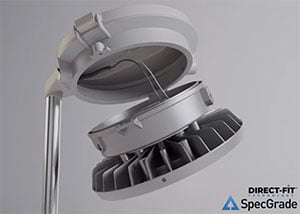 SpecGrade’s EX-BQ Series Direct Fitä Retrofit Adapter is designed & engineered for a 1-for-1 retrofit installation where hazardous location legacy fixtures currently exist. Intellegent design can have it directly mounted to pre-existing mounting hoods, saving significant hours or tear down and installation time.
 Hazardous sites are hard on equipment—washdowns, chemicals, vibration, heat, and airborne particulates are routine. SpecGrade fixtures are built with heavy-duty housings, industrial-grade hardware, and robust gasketing so they keep working where standard lights fail. Your payoff: fewer failures, fewer shutdowns, and a fixture that lasts through real-world abuse.
 From salt air and fertilizer haze to caustic cleaners and petrochemical vapor, corrosive atmospheres destroy ordinary luminaires. SpecGrade uses corrosion-resistant materials and coatings chosen specifically for aggressive environments, helping prevent pitting, flaking, and seal breakdown. That protects both performance and safety ratings over the long haul.
Indicates protection of equipment from damaging environmental conditions, such as corrosion, dirt, rain, ice formation.
 Ingress protection isn’t a spec to gloss over—it’s a survival requirement. SpecGrade designs for dust-tight sealing and high-pressure water resistance, so fixtures withstand washdowns, heavy particulate, and outdoor exposure without moisture intrusion that can shorten life or compromise safety. Bottom line: stable light output, stable compliance.
An IP66 rating indicates that a device is completely dusttight and can withstand powerful water jets from any direction without harmfuleffects.
 Hazardous sites often run hot, cold, or both—freezers, foundries, refineries, and outdoor rigs don’t care about “typical” operating ranges. SpecGrade luminaires are engineered and tested to perform in extreme ambient temperatures, keeping drivers and LEDs stable so you don’t lose output or reliability when temps swing.
The Trating, or temperature class, refers to the maximum surface temperature that a product can reach while operating in a potentially hazardous atmosphere without igniting any flammable materials.
 Every watt you save reduces operating cost, heat load, and generator demand. SpecGrade fixtures deliver high lumen-per-watt performance without sacrificing durability. That means brighter workspaces with lower energy bills, and easy ROI when upgrading from HID or fluorescent hazardous fixtures.
 Heat is the #1 enemy of LED life. In hazardous locations, poor thermal design can also jeopardize safety. SpecGrade uses advanced heat-sink geometry and thermal pathways that pull heat away from critical components, stabilizing junction temperatures and extending fixture life. The result is consistent output and long-term reliability, even in demanding ambients.
 Safety in hazard zones is non-negotiable. SpecGrade fixtures are designed to meet applicable hazardous location requirements (as specified per project) with dependable sealing, controlled surface temperatures, and rugged construction. Beyond ratings, we focus on real safety outcomes: preventing ignition risks, maintaining visibility, and minimizing maintenance exposure in dangerous areas.
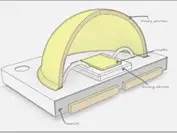 Bad optics waste light and create glare—both dangerous in industrial environments. SpecGrade offers application-specific distributions that put light where crews need it: aisles, platforms, processing areas, or wide open yard spaces. You get uniform illumination, better visibility, and fewer shadows and hot spots that hide hazards.
Compressors, conveyors, drilling platforms, and heavy machinery shake everything. SpecGrade fixtures use reinforced mechanical design and impact-resistant lenses to withstand vibration and accidental hits without loosening, cracking, or failing. For you, that means fewer replacements and safer lighting in high-motion zones.
 Color temperature affects comfort, accuracy, and safety. SpecGrade offers practical CCT options for hazardous applications—from warmer tones at 2700K for reduced glare to crisp whites at 6500K for high visual acuity. The right CCT improves contrast, reduces eye fatigue, and helps personnel identify hazards and color-critical tasks confidently.
SpecGrade Beyond the Specs
Choosing hazardous location lighting isn’t just choosing a fixture—it’s choosing a partner. SpecGrade combines industrial-grade LED engineering, application expertise, and fast, reliable support through a national network of rep agencies. We help you match the right luminaire to your environment, your classifications, and your operational goals—so your lighting performs safely and economically for years.
LED technology has transformed the industry with cleaner light, longer lifespan, and low energy use. But harsh or hazardous environments demand more. Vibration, extreme temperatures, moisture, corrosive elements, and explosive gases can destroy ordinary fixtures long before their time. That’s why true industrial strength lighting begins with design, materials, and certification that match the conditions.